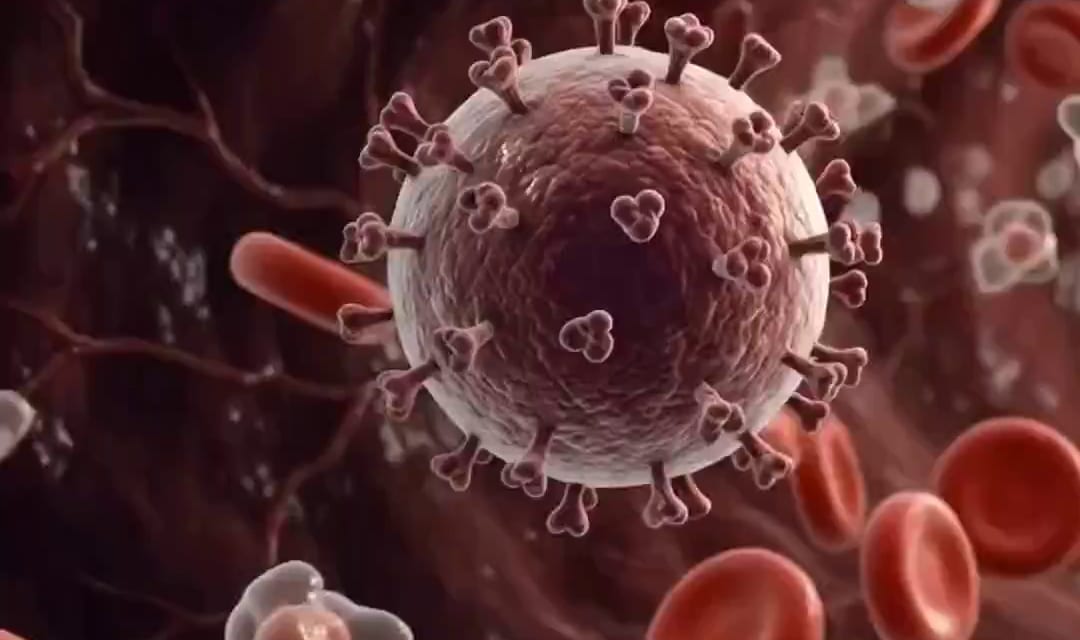
 PDF · 2 MB
Understanding HIV
What it is, how it spreads, how it is diagnosed and how it is treated, explained plainly.
Download PDFEvery topic starts from normal physiology before explaining what breaks. No alarmism, with the source cited.
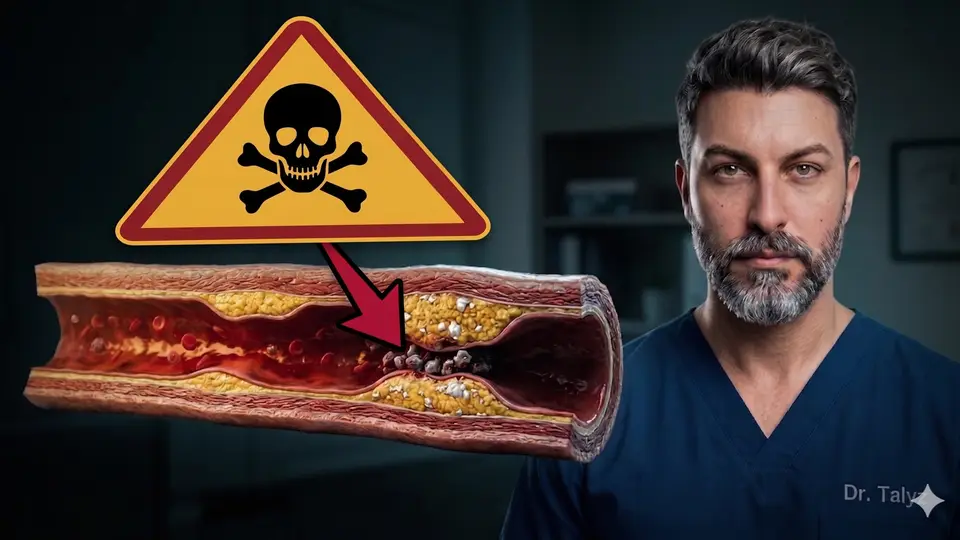
How atheroma plaque forms and why the artery stops being a smooth pipe.
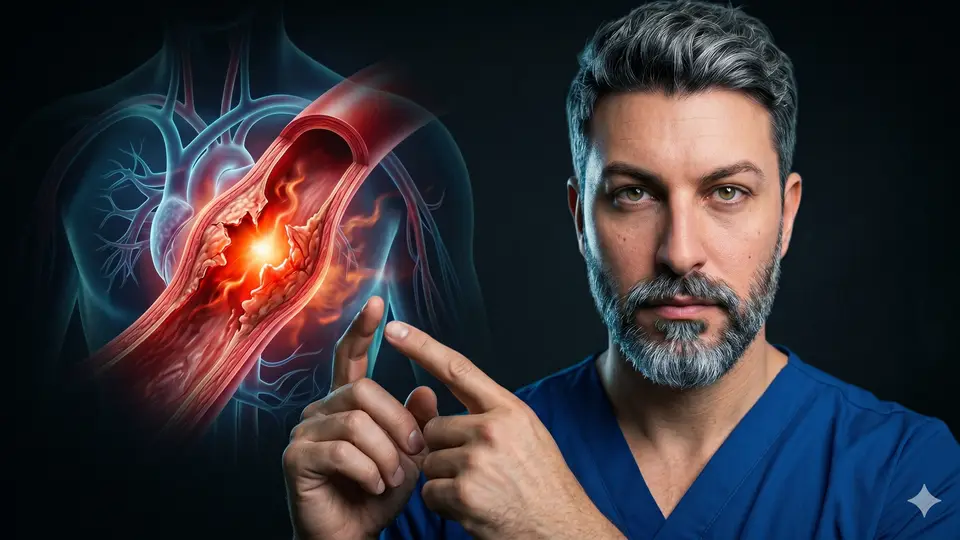
The pressure you cannot feel and the damage it does leave behind.
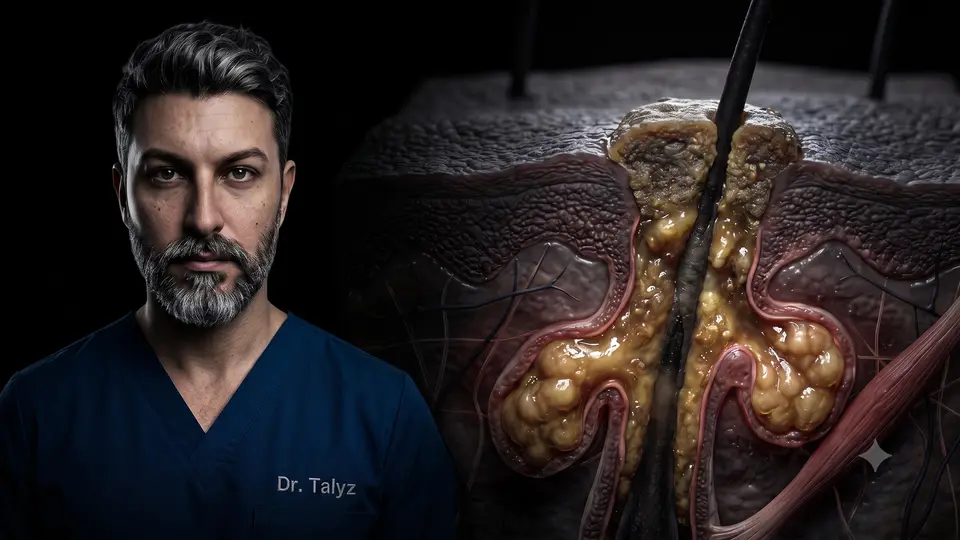
From a blocked pore to an inflamed lesion: the real physiology of skin.
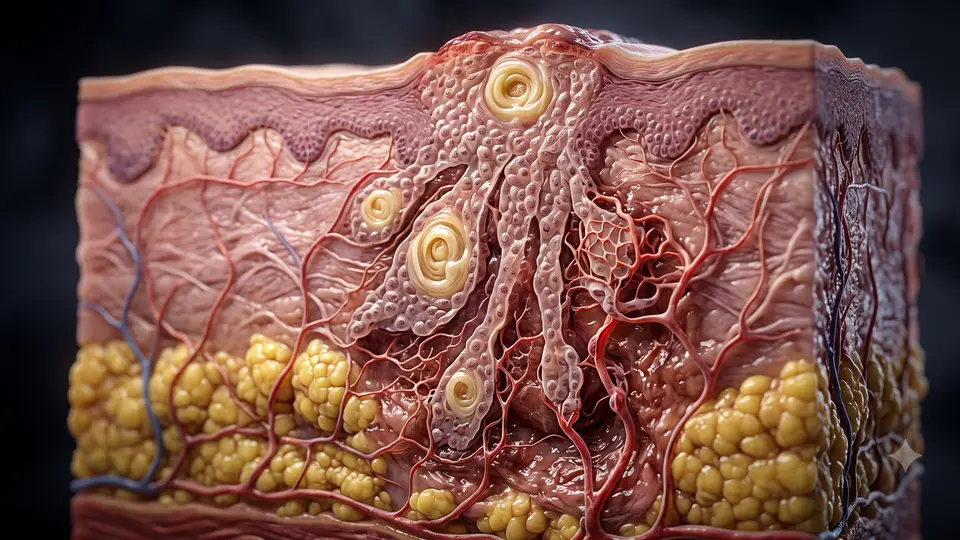
Cellular origin of basal cell carcinoma and the warning signs.
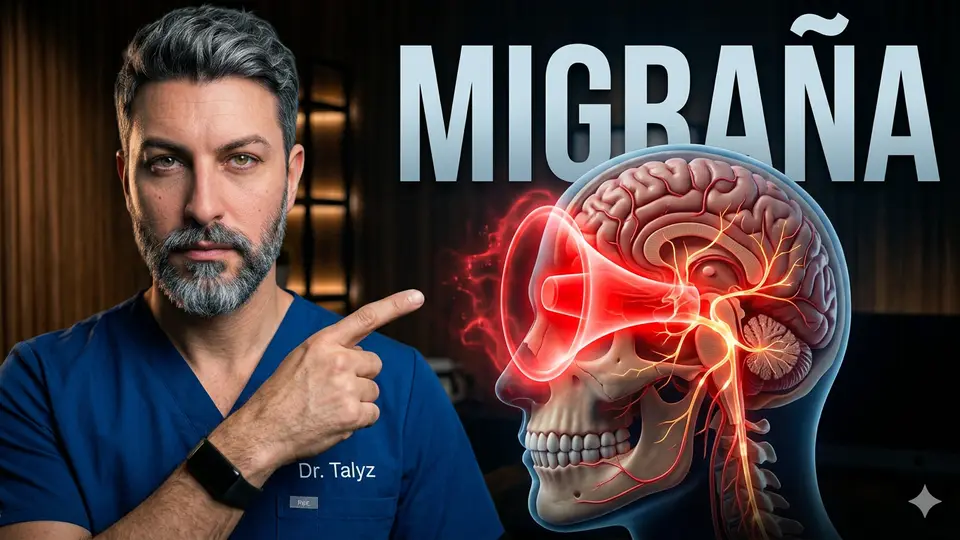
What happens in the brain during an attack and the red flags.
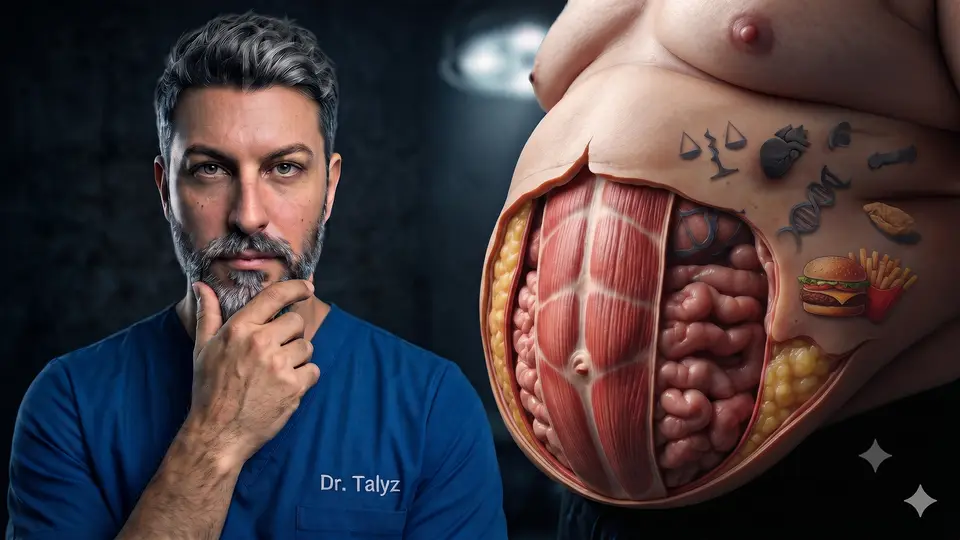
Visceral fat, inflammation, and the body as a system — not a number.
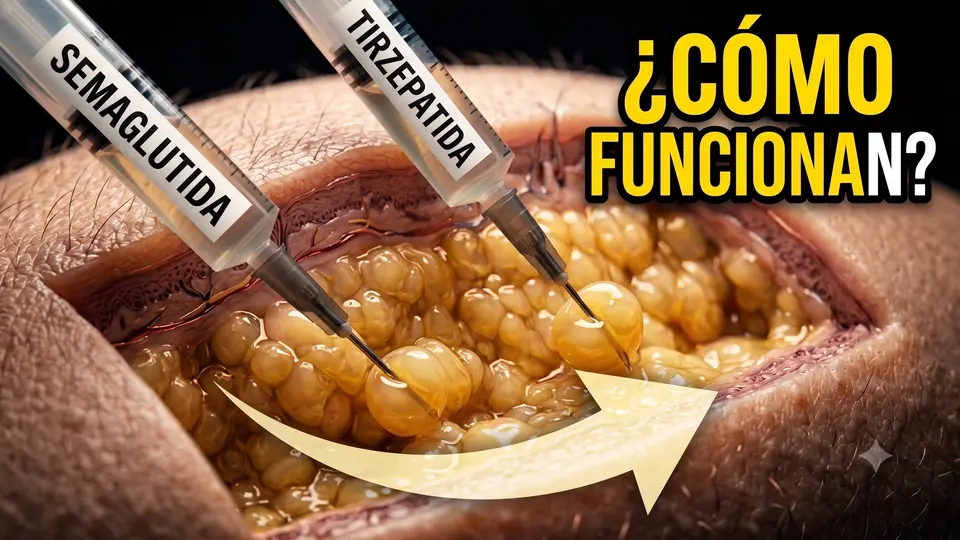
How the incretin hormone works and what the medication actually does.
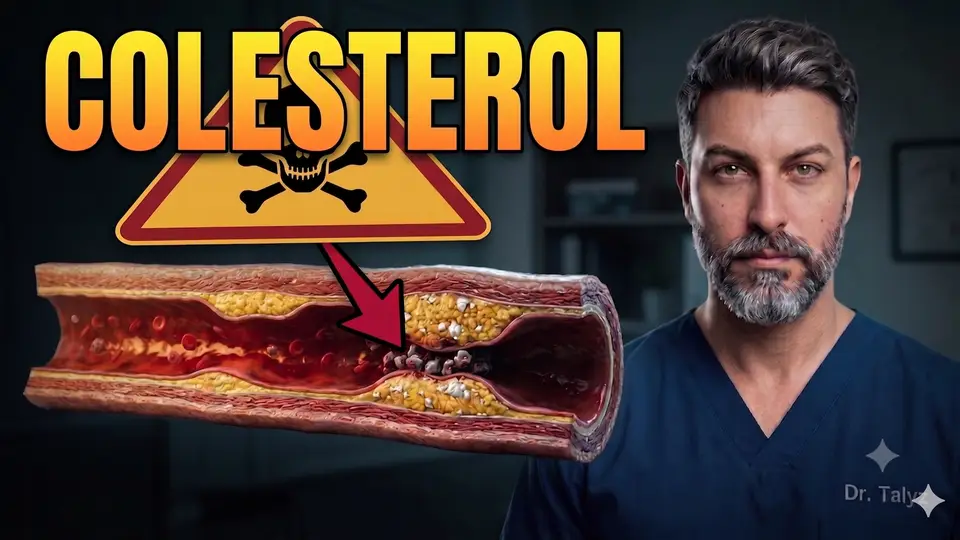
What the lab numbers mean and which one actually matters.
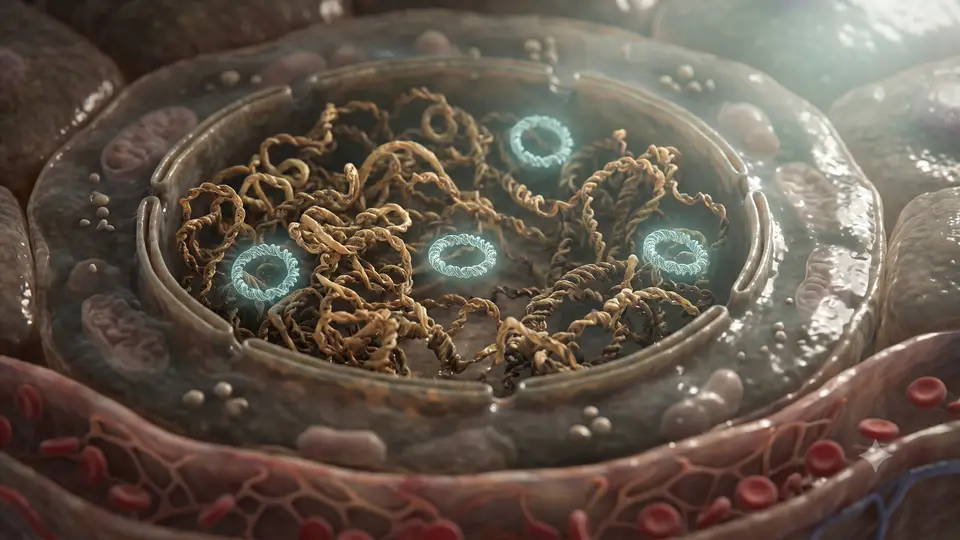
Transmission, latency, viral integration and tissue recovery.
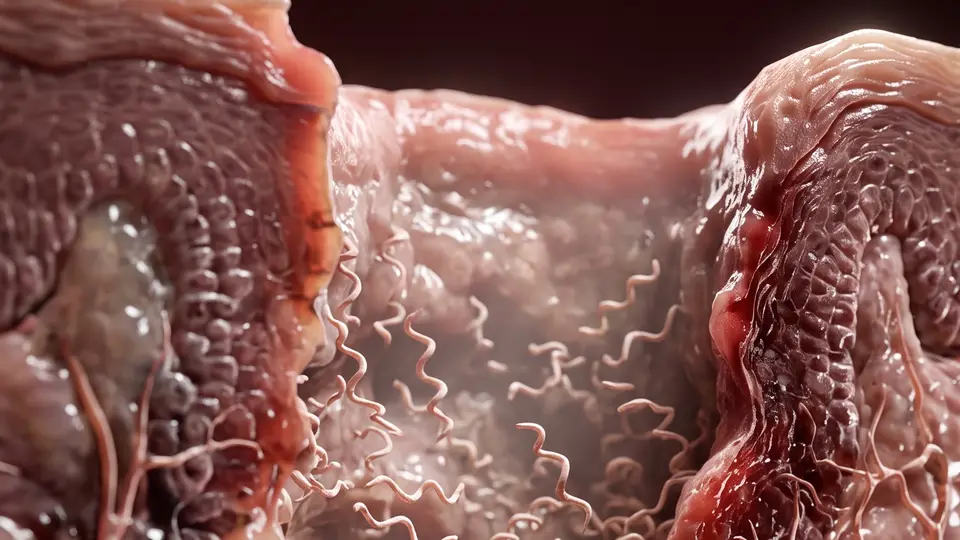
The stages of infection and why it is called the great imitator.
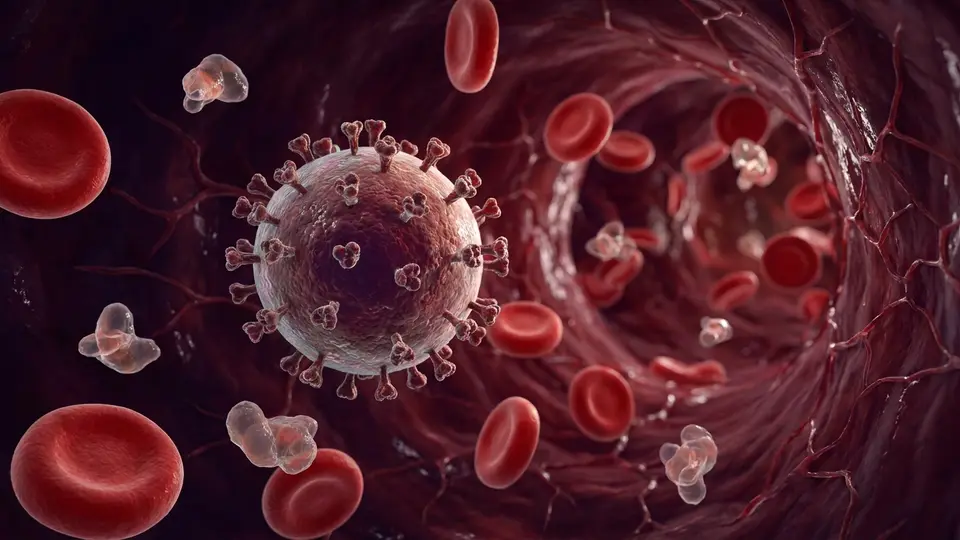
How the virus acts on the immune system and what treatment changed.
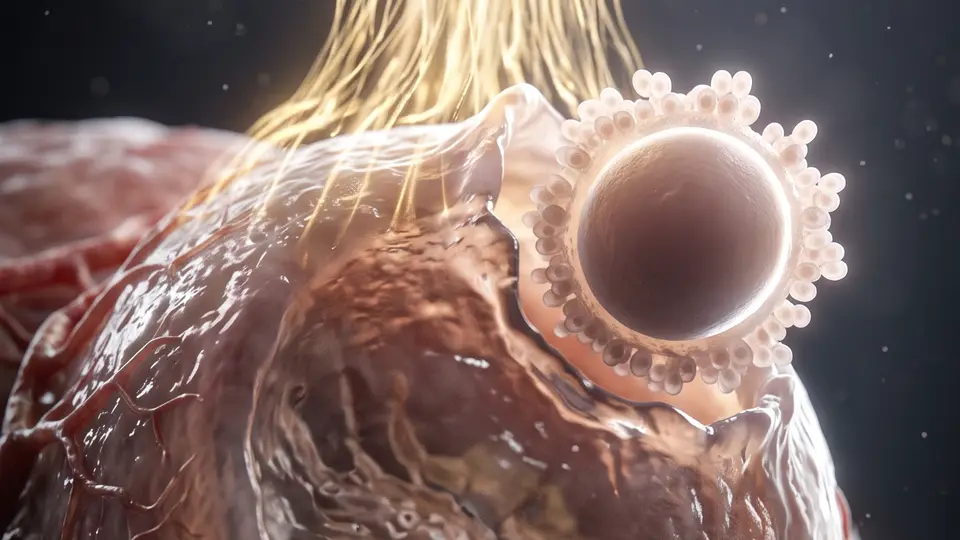
The cycle explained from the endometrium, not from the calendar.
Why we react differently to the same crisis.
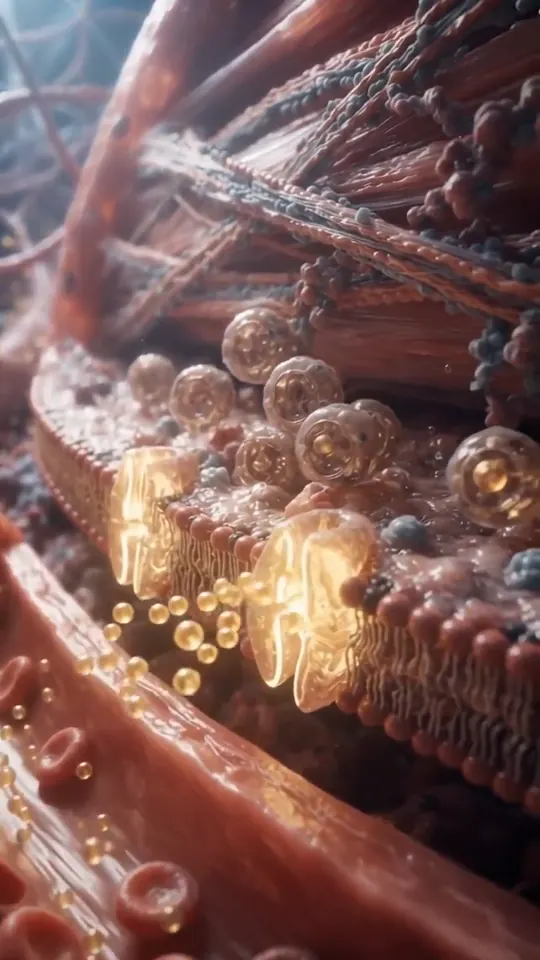
Why glucose stays in the blood, and what separates type 1 from type 2.
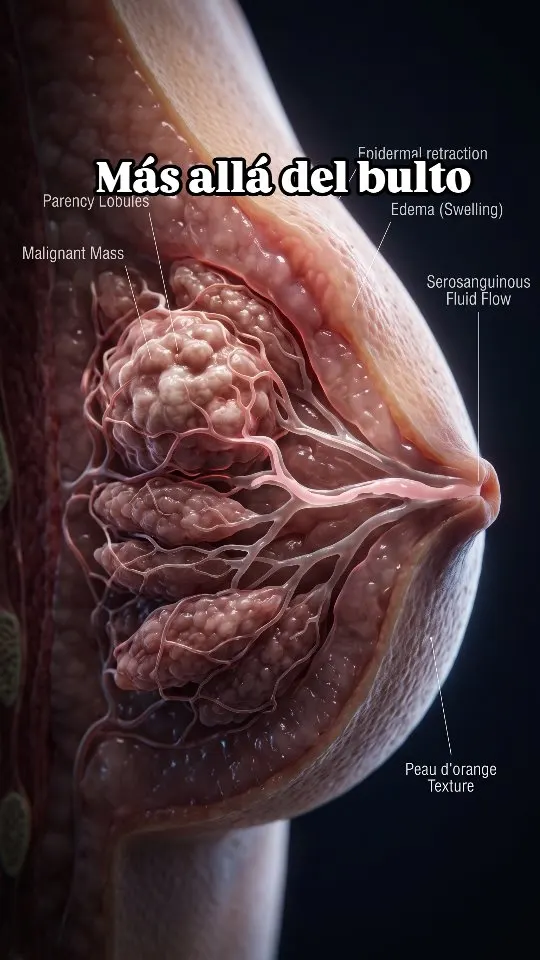
How the tumour starts in breast tissue, and why early detection changes the outlook.
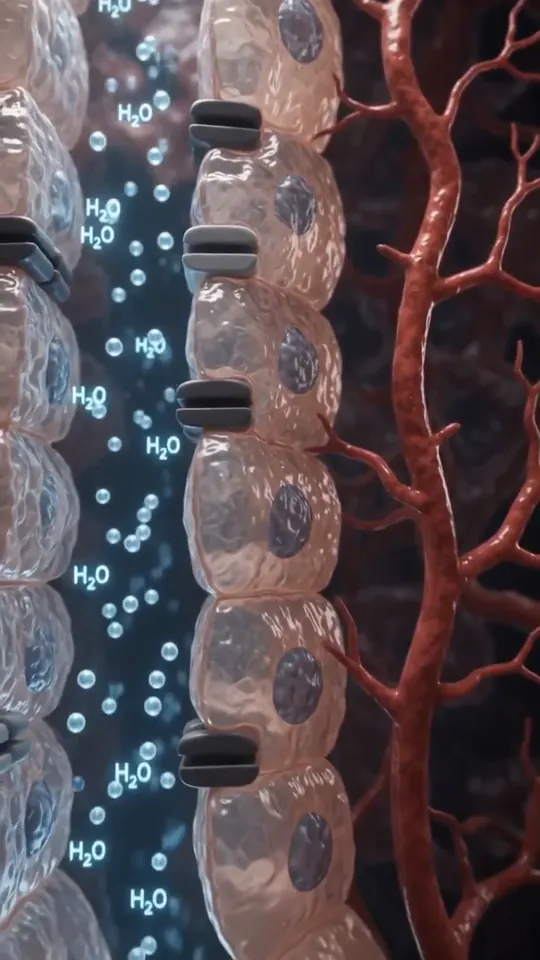
What alcohol does to the liver and the brain, beyond the hangover.
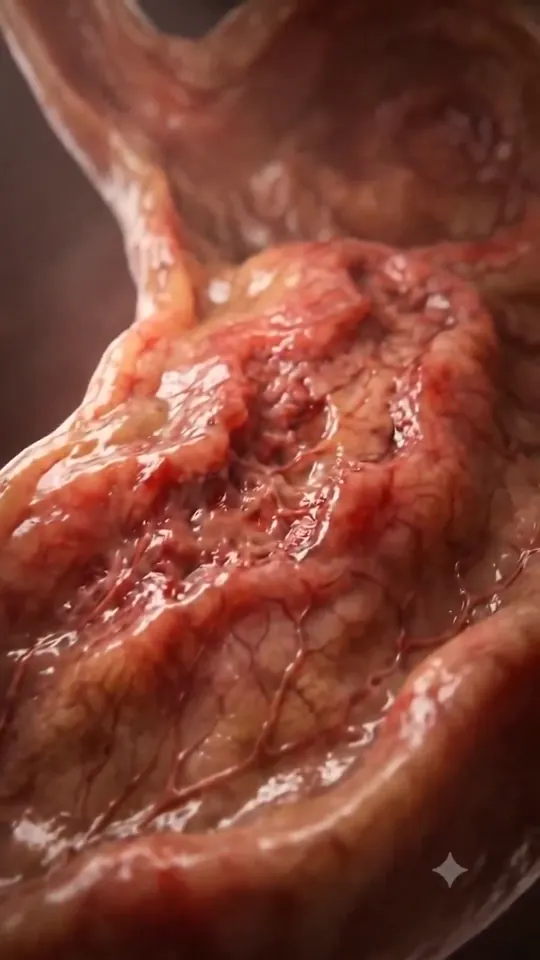
The bacterium that survives stomach acid, and why it gets treated even without symptoms.
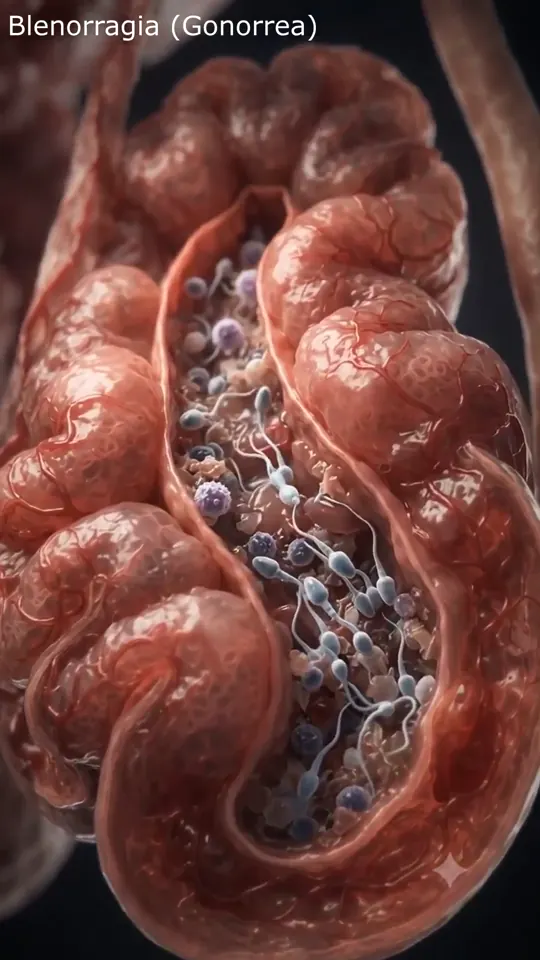
The bacterial infection behind many silent cases, and why treatment keeps changing.
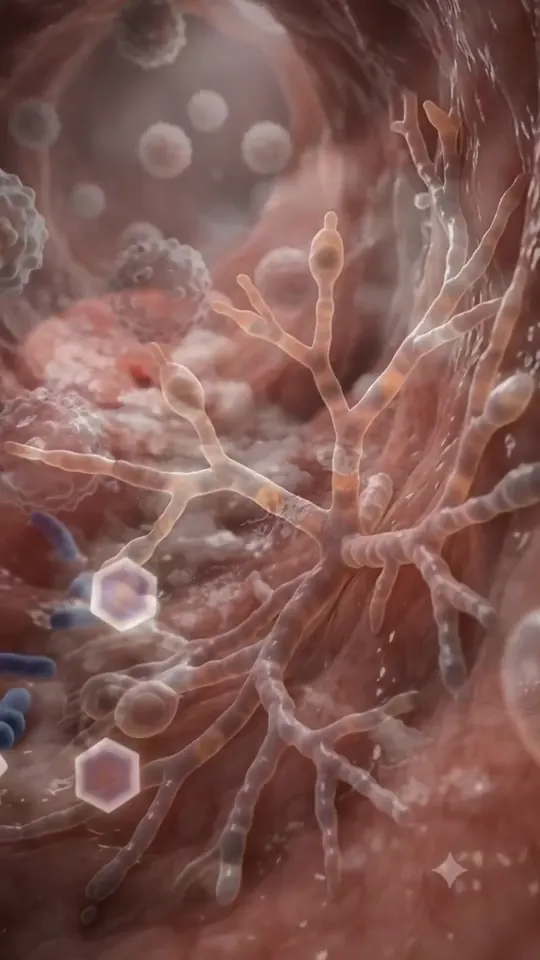
The fungus that already lives on the body, and why it sometimes overgrows.
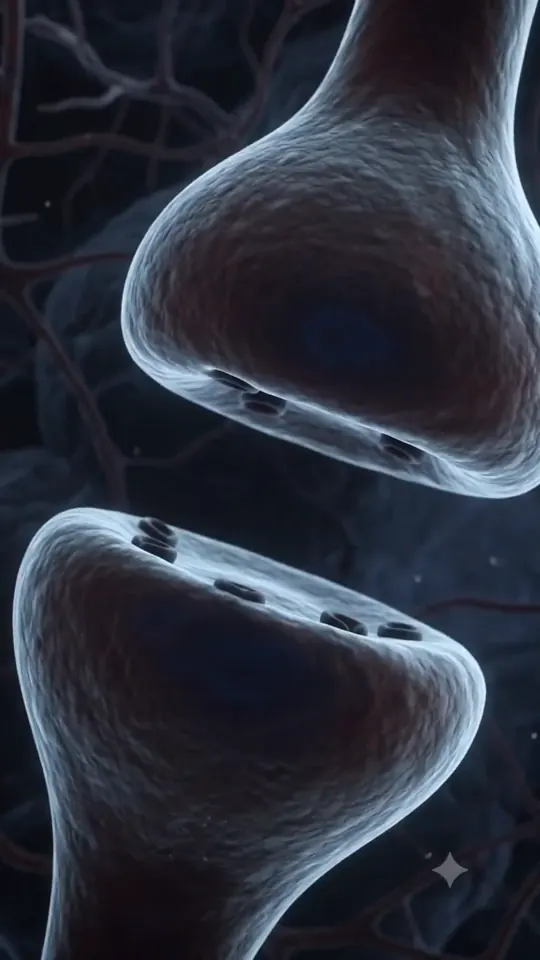
Why depression is more than sadness, and what changes in the brain.
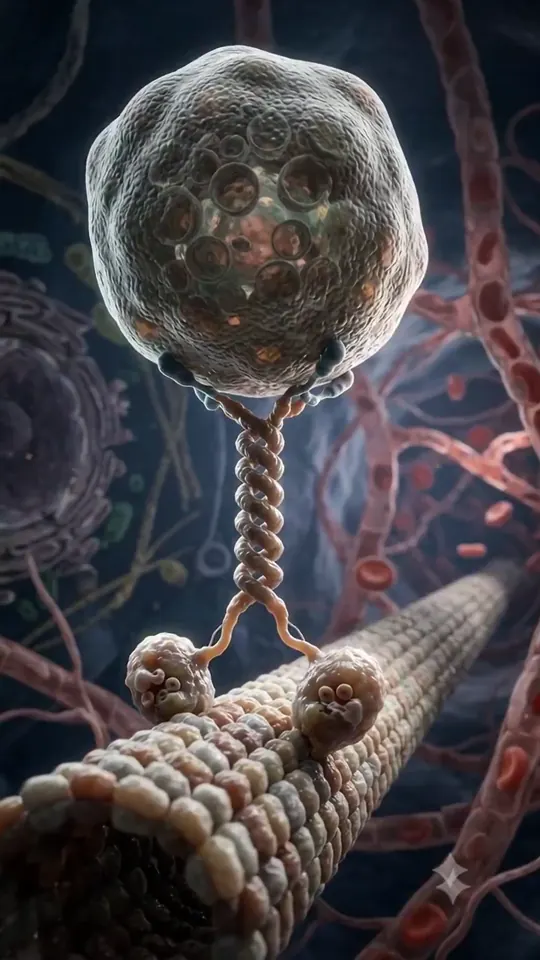
The protein that walks inside the cell, and why its failure disconnects neurons.
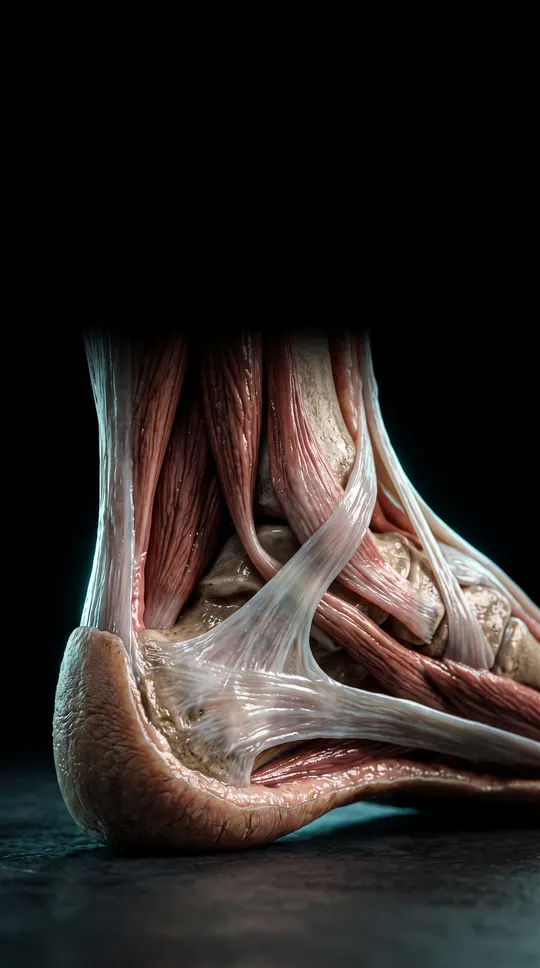
Why the first step in the morning hurts in the heel, and why the heel spur is almost never to blame.
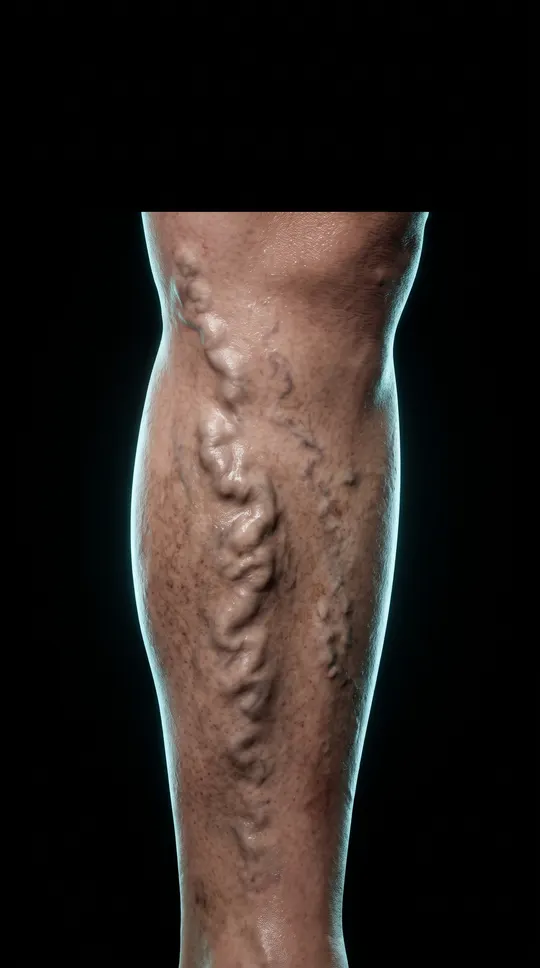
Why legs end the day swollen and heavy, and how worn-out valves create varicose veins.
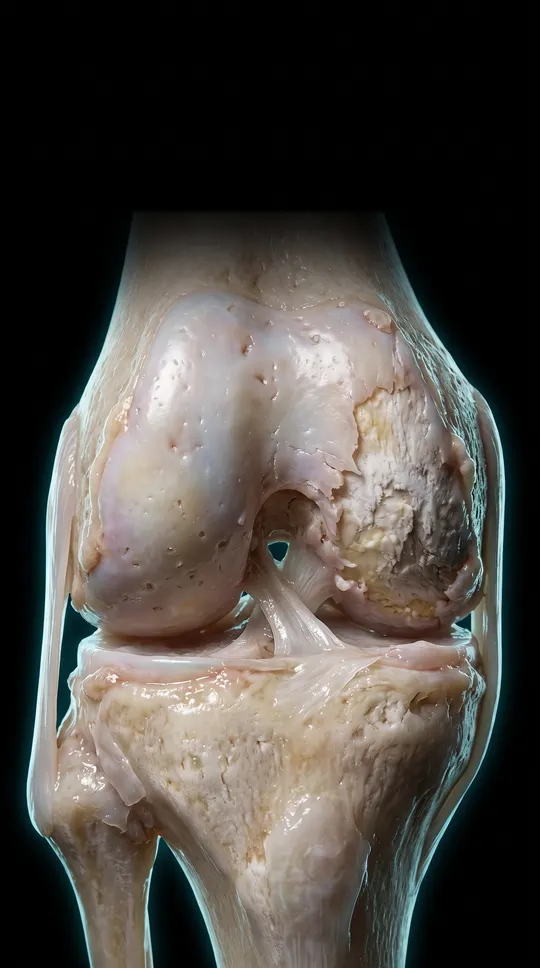
How muscle protects the joints, why strength training builds bone, and when effort becomes dangerous.
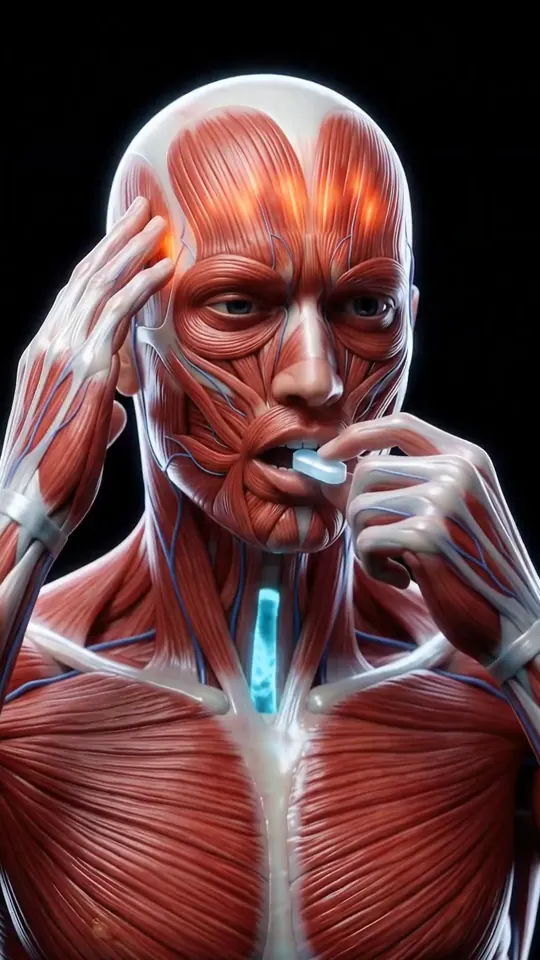
How it eases pain and lowers fever without reducing inflammation, and why the maximum dose is not negotiable.
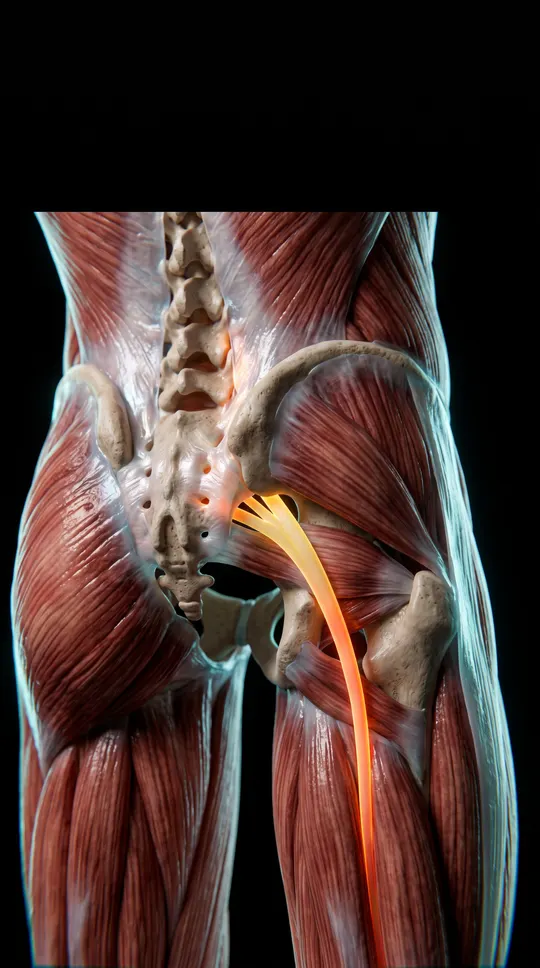
The pain that runs from the back down the leg: what compresses the sciatic nerve and why it nearly always improves without surgery.
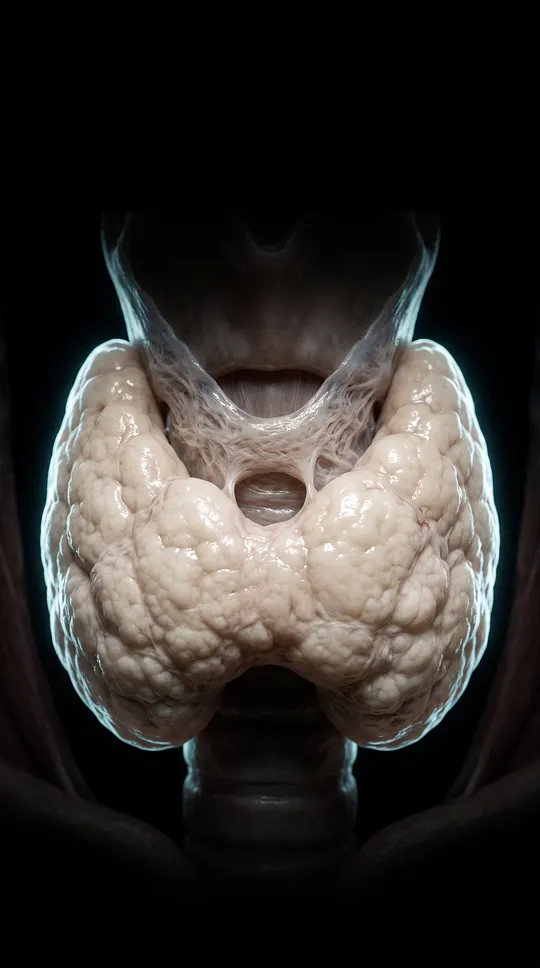
How much weight a slow thyroid really explains, and how much it does not.
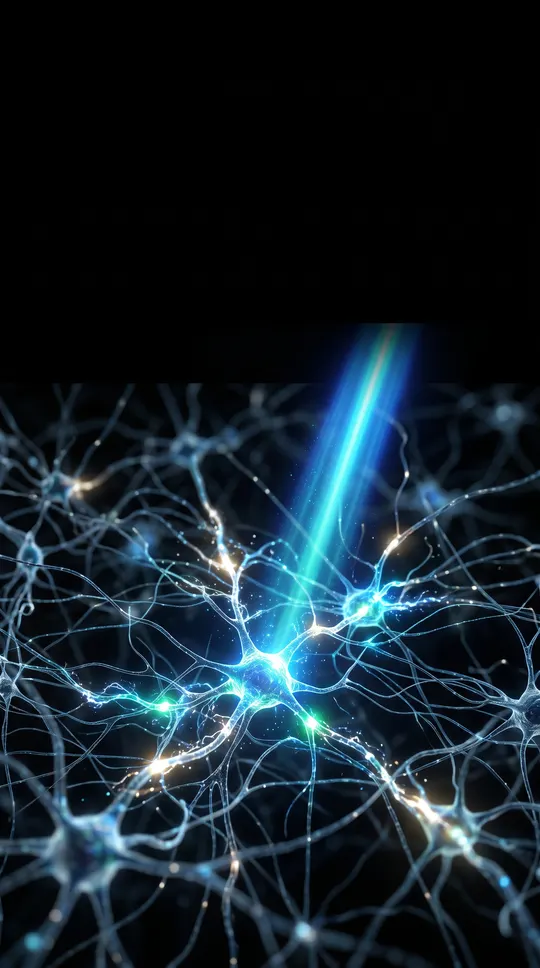
The technique that switches neurons on and off with light, and what it has revealed about the brain.
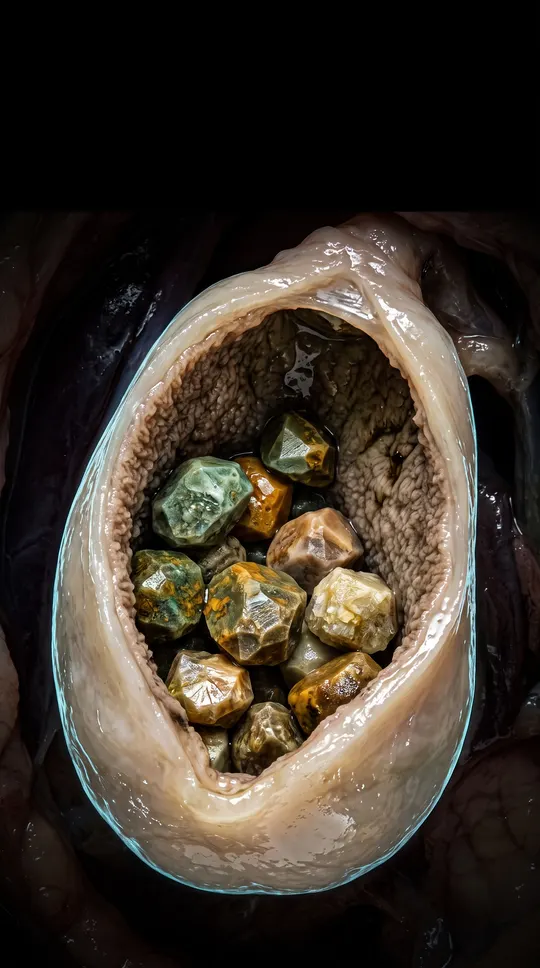
How gallbladder stones form and why the pain shows up after a fatty meal.
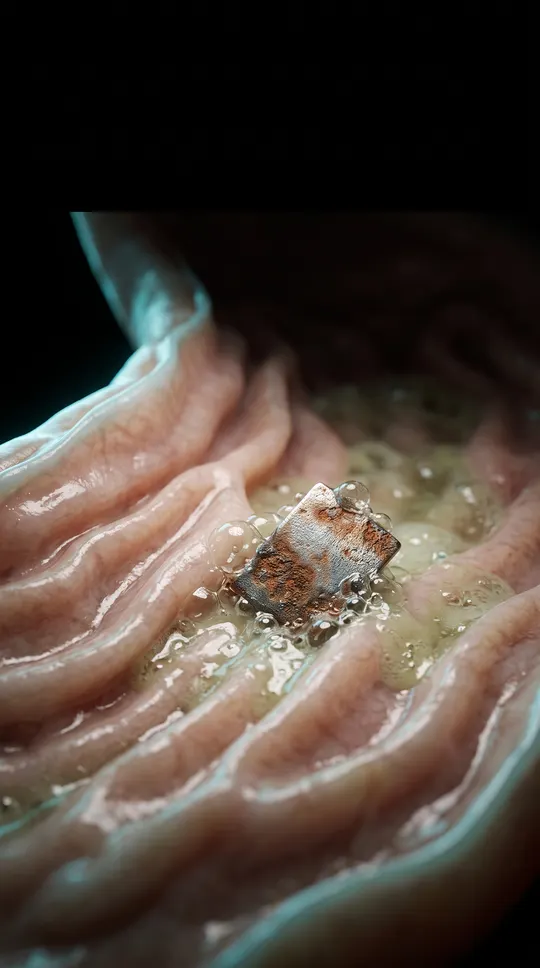
Why an acid able to corrode metal does not digest the stomach itself.

The most common cause of hair loss in men and women: why it is not just stress-related shedding and why acting early matters.
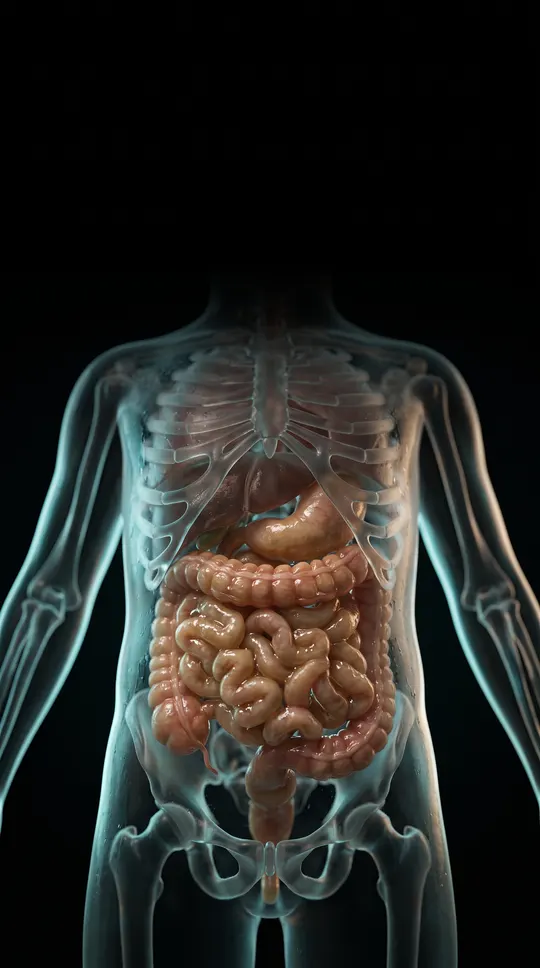
Acute diarrhoeal disease is very common in childhood: what to do at home and which signs mean going to the emergency room.
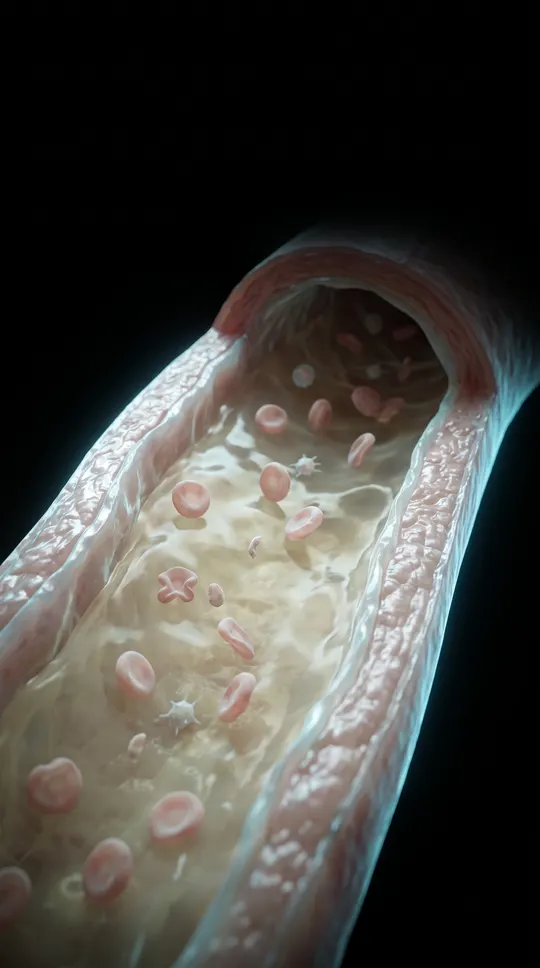
Constant tiredness, dizziness and pallor: what happens when red blood cells or haemoglobin fall short, and why iron deficiency is the most common cause.
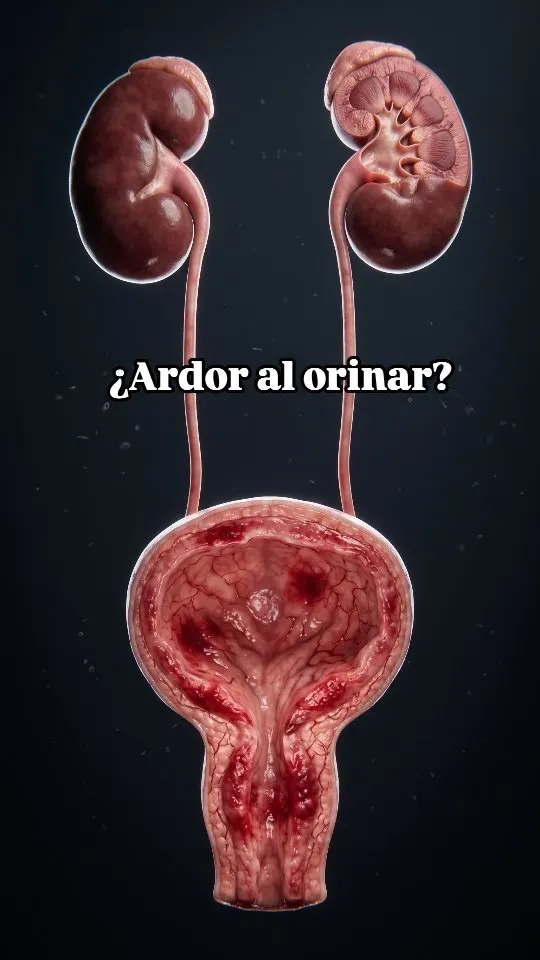
Infection of the lower urinary tract, more common in women: why self-medicating is a bad idea and which habits help prevent it.
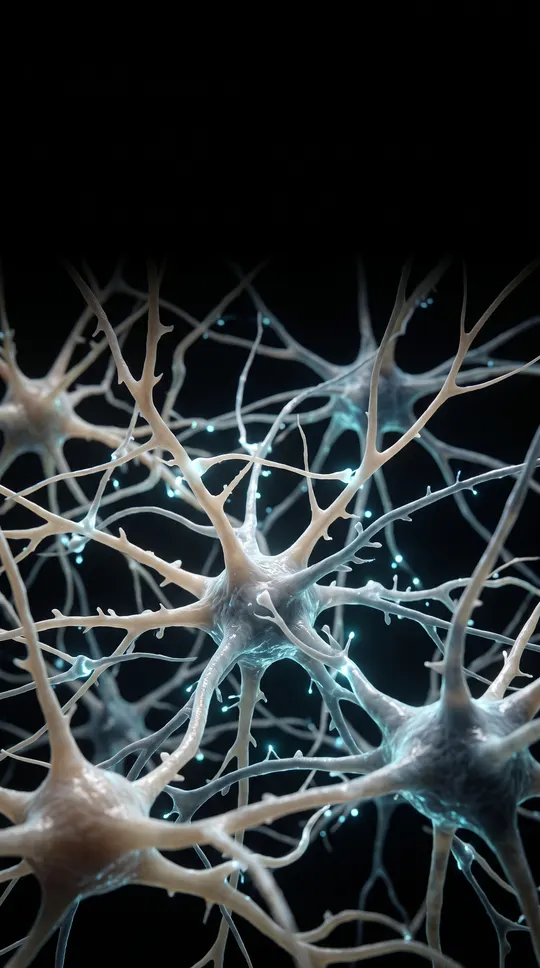
Autism spectrum disorder is neither a disease nor a world apart: it is a different way of perceiving and processing reality.
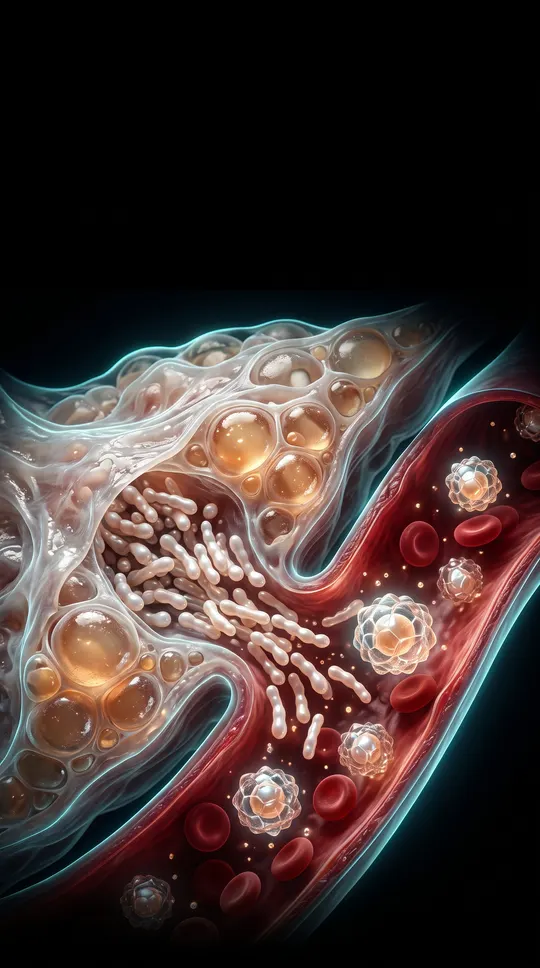
What happens in the body when carbohydrates are cut out, and why the keto diet worries cardiologists.
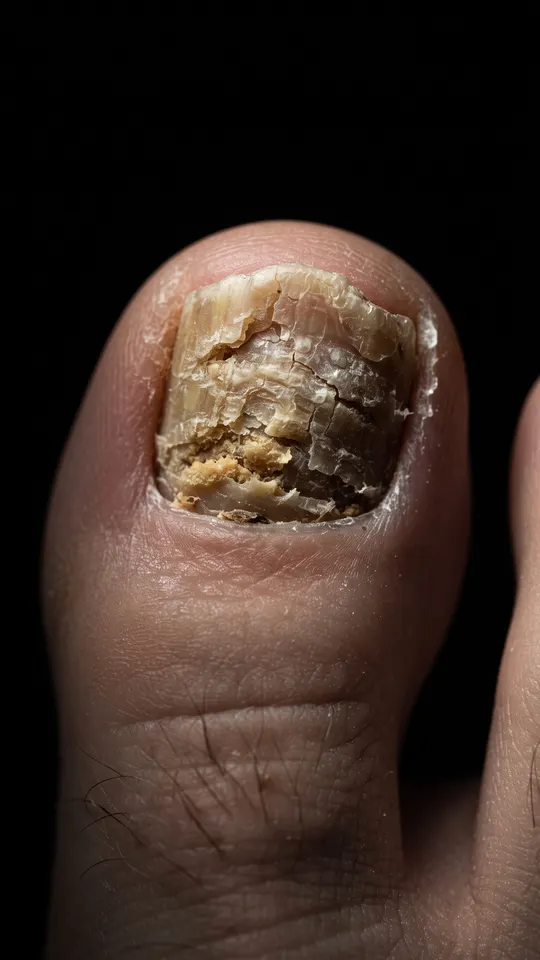
Nail fungus: why it appears, why it does not go away on its own and why, with a proper diagnosis and medical treatment, it can be cured.
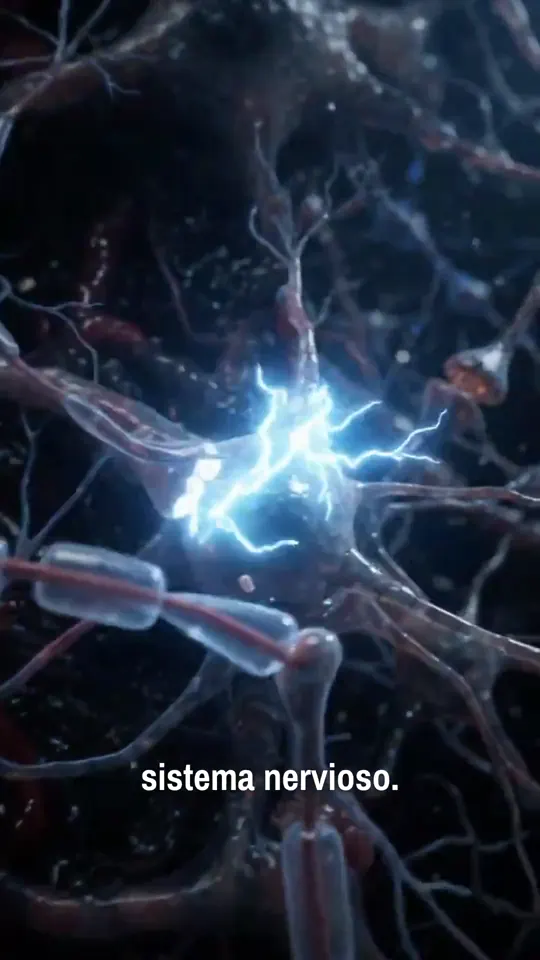
Pain all over the body with normal tests: why it happens, why it is not imagined and which treatment has evidence.
No topics in this specialty yet.
PDF · 2 MB What it is, how it spreads, how it is diagnosed and how it is treated, explained plainly.
Download PDF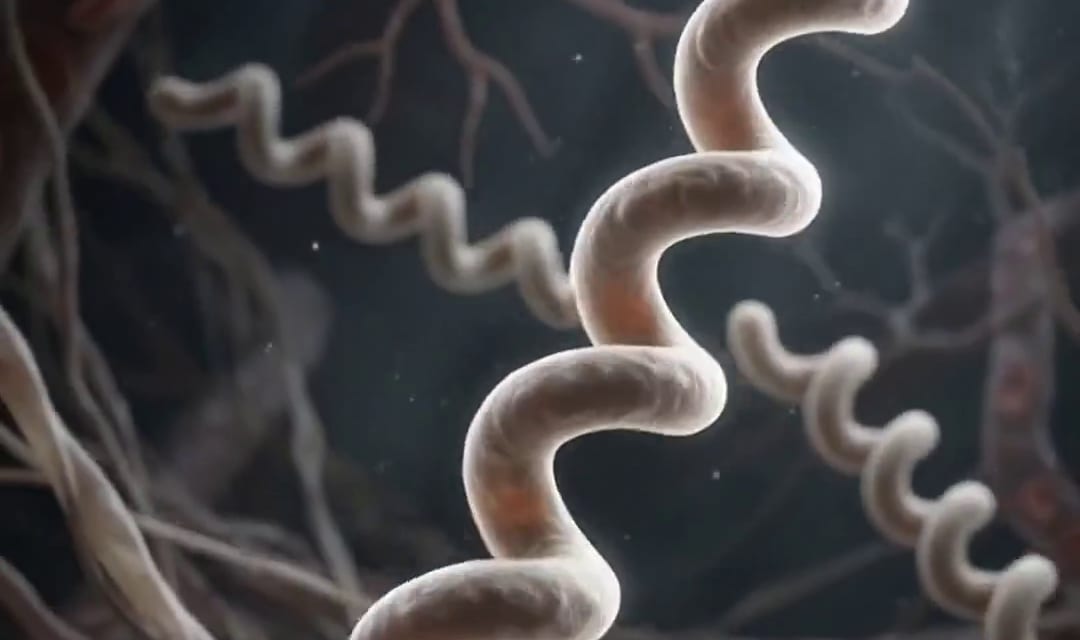 PDF · 2 MB
How to catch it early, which myths to drop and what to do if you test positive.
Download PDF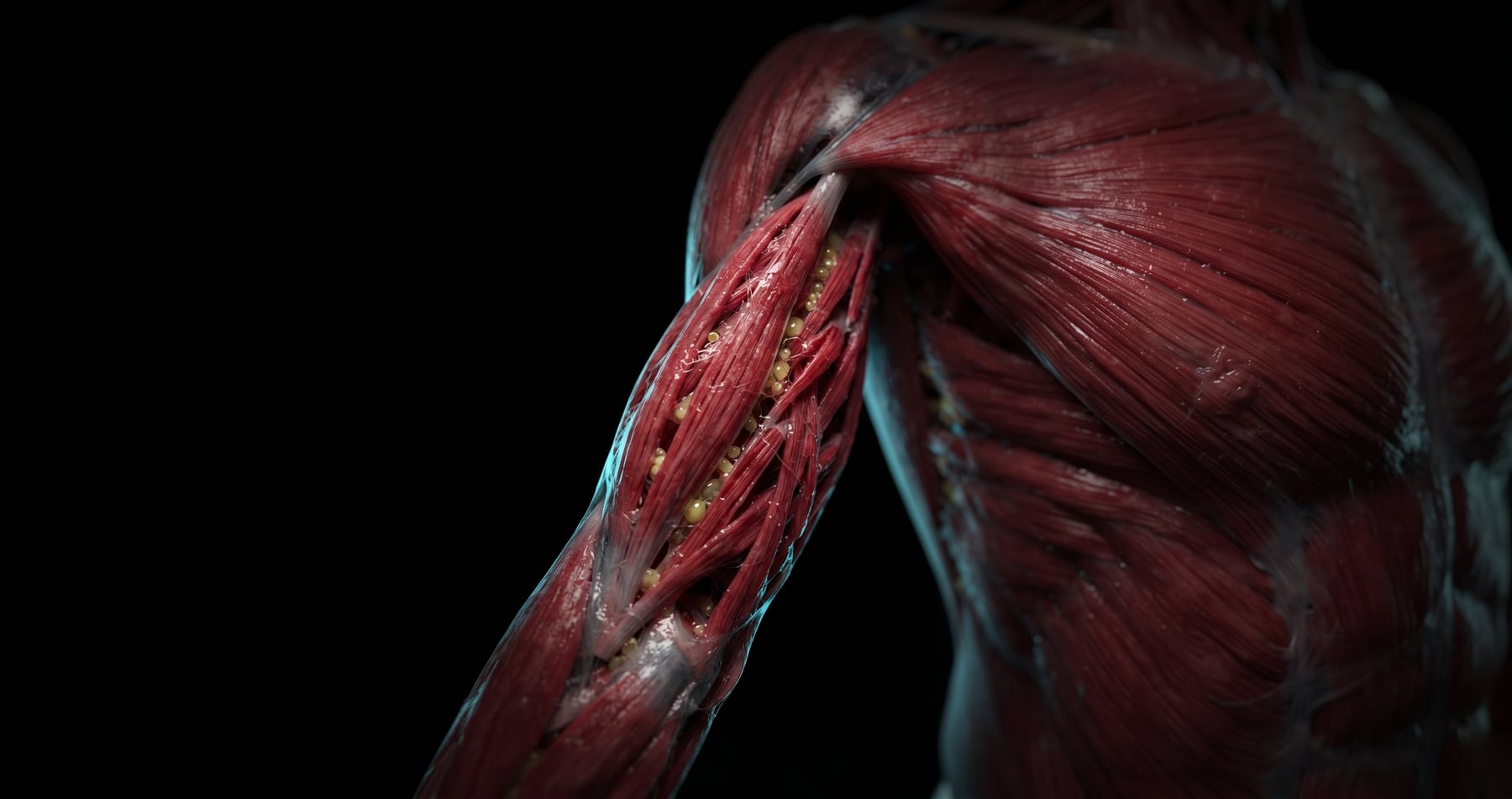 PDF · 2 MB
How to slow muscle loss with age, with habits you can start today.
Download PDF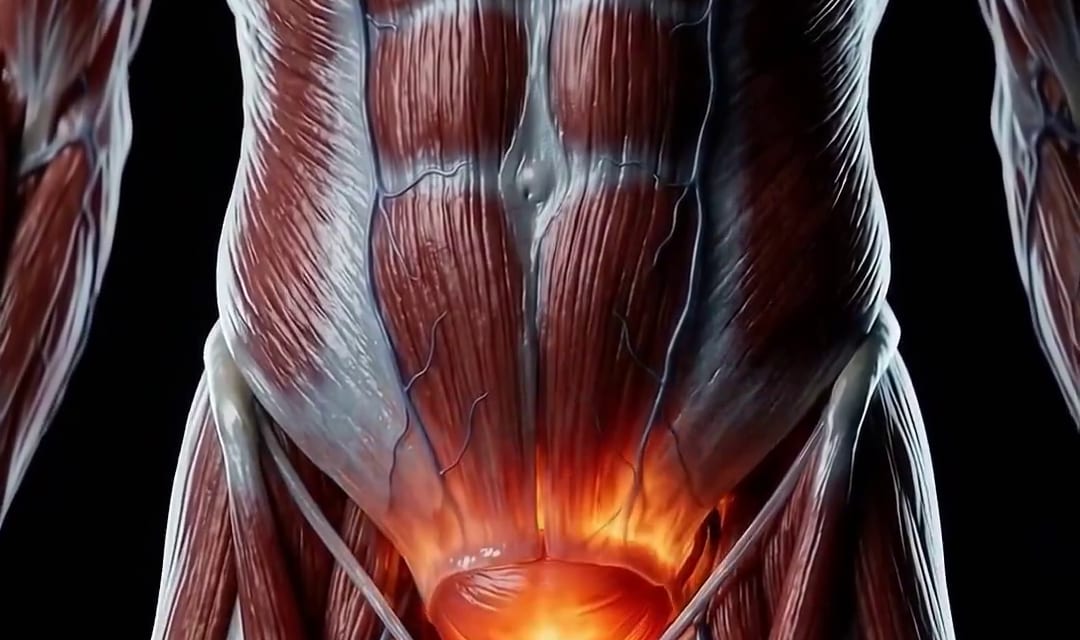 PDF · 2 MB
When it is urgent, why not to self-medicate and what keeps it from coming back.
Download PDF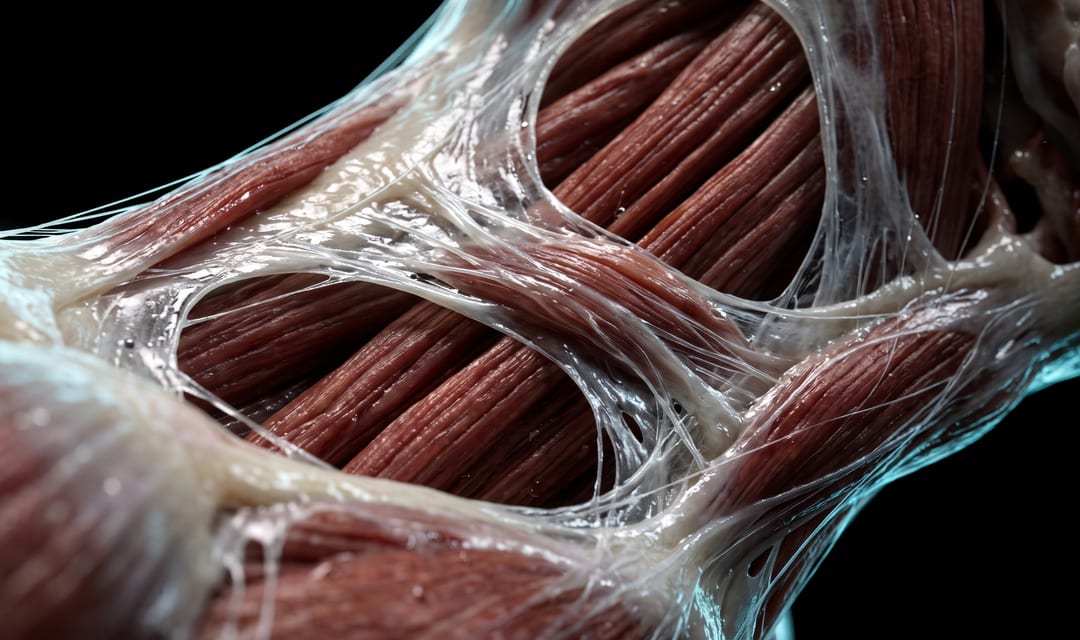 PDF · 2 MB
Why it hurts even with normal tests, what does not help and what to do on hard days.
Download PDF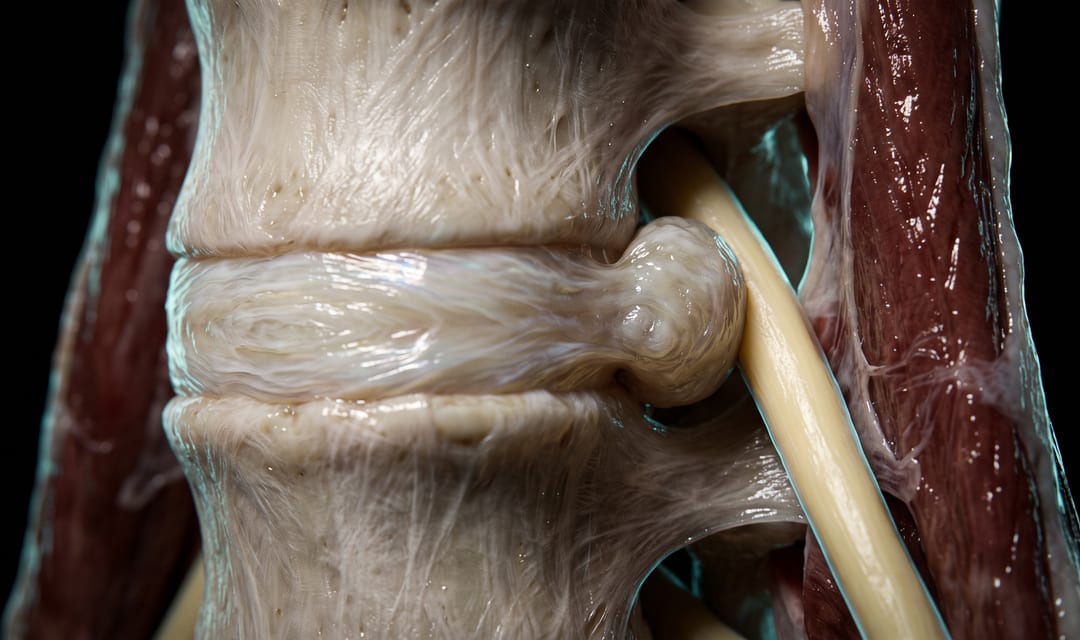 PDF · 2 MB
What happens in your spine, why surgery is rarely needed and what to do during a flare-up.
Download PDF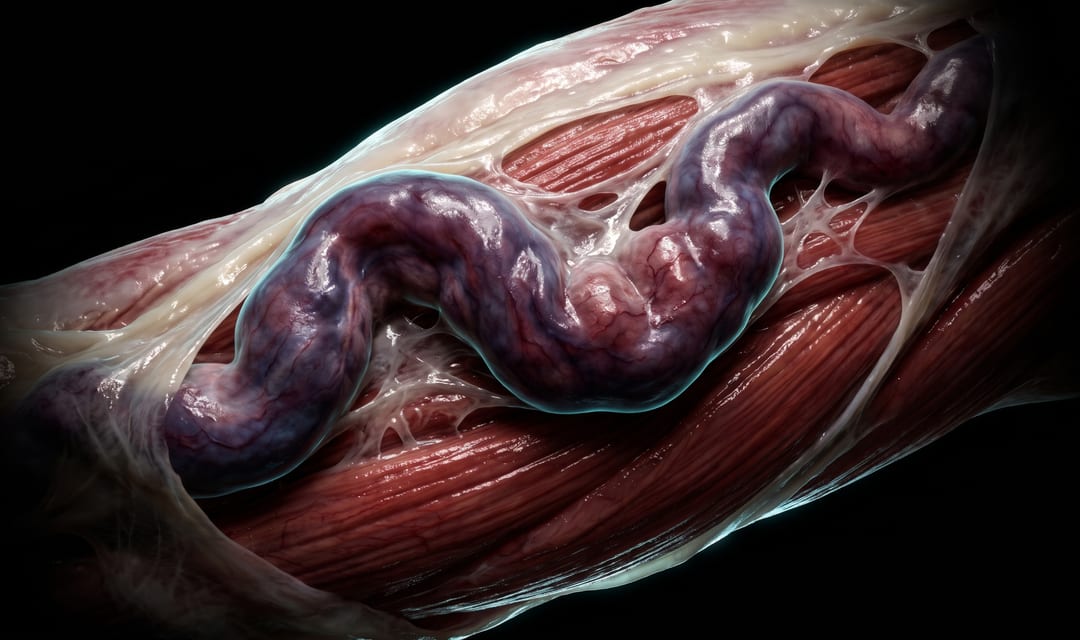 PDF · 2 MB
Why your legs feel heavy by evening, which myths hold you back and three habits to start today.
Download PDFWhat to get checked and how often, based on your age.
Not ready yet: subscribe and we will let you know.